
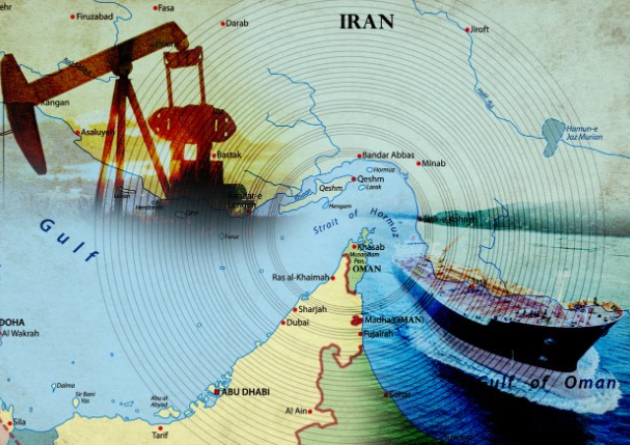
Oil prices pared earlier gains during Asian trading on Monday as investors assessed reports of a possible U.S.–Iran ceasefire, along with President Donald Trump’s deadline for Iran to reopen the Strait of Hormuz.
Brent crude futures for June delivery edged up 0.3% to $119.30 per barrel, after climbing more than 2% earlier in the session. Meanwhile, West Texas Intermediate (WTI) crude slipped 0.6% to $110.85 per barrel, reversing initial gains. In the previous full trading session ahead of the Good Friday holiday, WTI had surged by more than 11%.
Both benchmarks gave back some of their early gains after the market opened, following an Axios report that the U.S., Iran, and regional intermediaries were in talks over a potential 45-day ceasefire that could pave the way toward ending the conflict.
The report noted that the likelihood of securing even a limited agreement within the next 48 hours is low, though mediators see the initiative as the final viable chance to prevent a major escalation.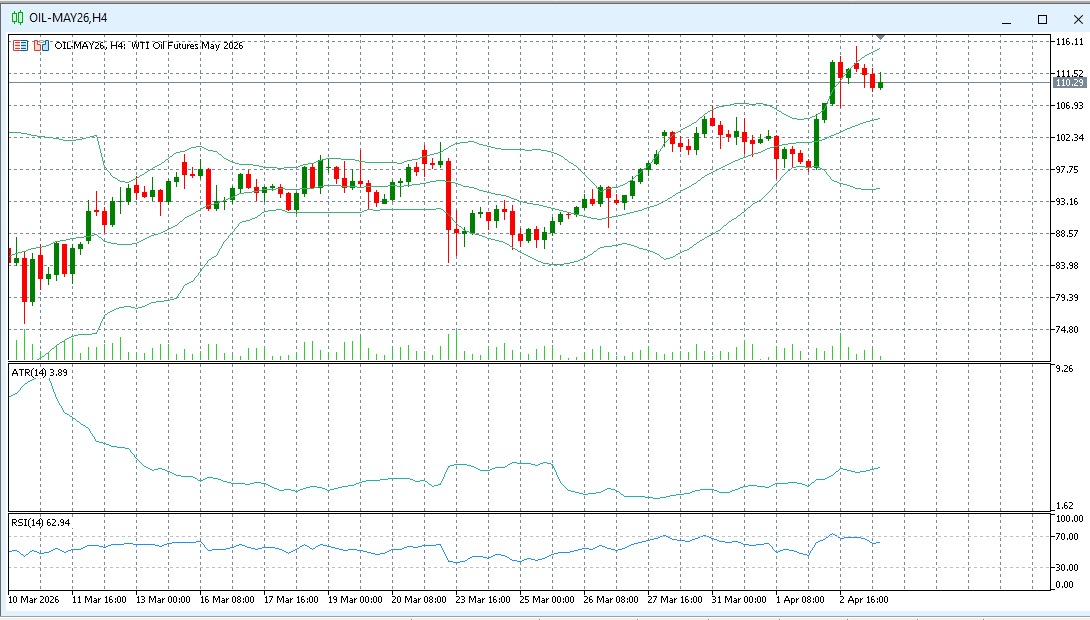
Separately, Reuters reported on Monday that both Iran and the U.S. had been presented with a proposal to halt hostilities, which could take effect as early as Monday and allow the reopening of the Strait of Hormuz.
Earlier, on Sunday, Donald Trump warned that Iran must reopen the strategic waterway by Tuesday, signaling that an 8 p.m. Eastern Time deadline had been set for tanker traffic to resume.
Meanwhile, the OPEC+ group—including the Organization of the Petroleum Exporting Countries and its allies—agreed that eight member nations would collectively increase oil production by about 206,000 barrels per day in May.
However, market participants largely treated this planned increase as more symbolic than immediate, noting that ongoing logistical bottlenecks, shipping risks, and regional tensions could delay or limit how much of the oil supply actually reaches global markets in the near term.
At the same time, the rebound in crude prices has reignited concerns about inflation across financial markets. Persistently high energy costs tend to ripple through the global economy, raising expenses for transportation, industrial production, and everyday consumer goods.
If the Strait of Hormuz remains disrupted, these pressures could intensify further, potentially slowing economic growth while keeping inflation elevated worldwide.