

Israel’s military announced that it conducted strikes against Hezbollah militants aligned with Iran in Lebanon on Friday. This escalation could potentially hinder efforts to establish a long-term ceasefire between the U.S. and Iran, which are expected to be discussed in upcoming weekend negotiations. The developments in Lebanon add complexity to the fragile situation in the region, raising concerns about the prospects for peace.
A spokesperson for Iran’s foreign ministry indicated that Iranian officials might skip peace talks scheduled to begin in Pakistan on Saturday if Israel continues its attacks on Hezbollah targets in Lebanon. The stance reflects ongoing tensions and the deepening divide over whether Lebanon should be included in the broader ceasefire agreement being negotiated.
There has been a disagreement between American and Iranian officials regarding Lebanon’s role in the ceasefire. While some discussions suggested Lebanon would be part of the deal, Iran’s position and recent military actions indicate that the situation remains highly volatile, with little expectation of an immediate resolution.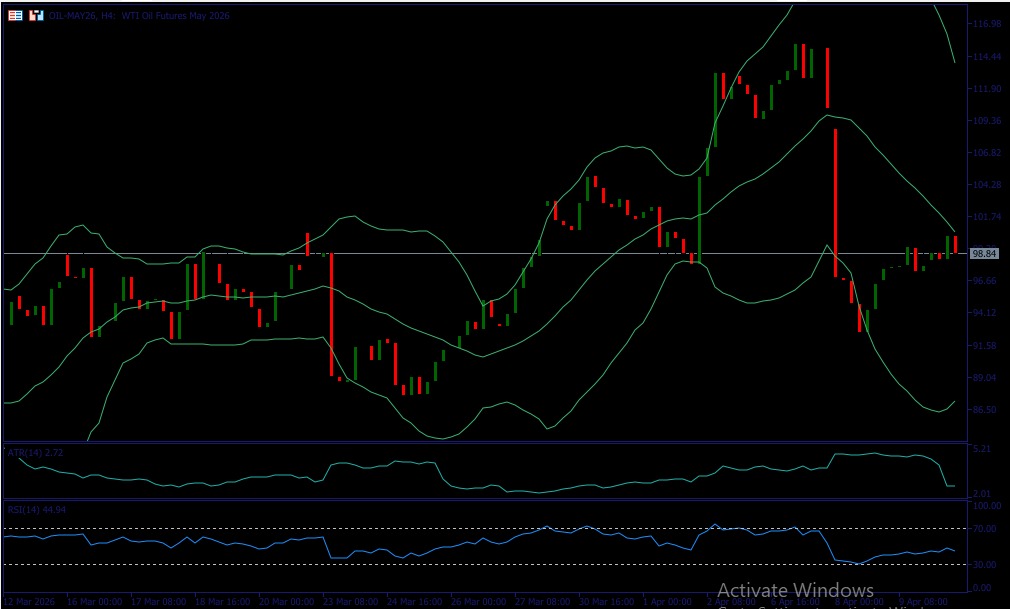
Israeli Prime Minister Benjamin Netanyahu announced on Thursday that he had directed his government to begin peace negotiations with Lebanon concerning Hezbollah’s disarmament. Despite this, Netanyahu emphasized that there is currently “no ceasefire” in Lebanon, underscoring the ongoing conflict and instability in the region.
The escalation has resulted in significant casualties, with Lebanese authorities reporting that over 300 people were killed in Israeli strikes on Thursday. These reports, cited by The New York Times, highlight the severity of the recent Israeli military operations and the human toll of the ongoing hostilities.
In the United States, President Donald Trump has called on Netanyahu to reduce attacks on Lebanon. He expressed a desire to prevent the fragile two-week ceasefire with Iran from collapsing amid ongoing military actions, emphasizing the importance of maintaining regional stability.
Meanwhile, shipping through the Strait of Hormuz remains severely restricted, with Reuters reporting that vessel traffic was below 10% of normal levels on Thursday. Despite a ceasefire, Iran has instructed ships to stay within its territorial waters, raising concerns about the continued flow of oil through this critical maritime route, which accounts for about a fifth of global oil supplies.
The disruption in shipping and Iran’s control over the strait has significant implications for global energy markets. Several Asian countries that rely heavily on crude imports and Europe’s natural gas supplies from Persian Gulf nations are affected by these restrictions and Iranian attacks on energy infrastructure.
Adding to the supply concerns, Saudi Arabia has experienced a sharp decline in oil output due to attacks on energy facilities. The Saudi state news agency SPA reported a reduction of approximately 600,000 barrels per day in oil production and about 700,000 barrels daily in throughput on its East-West Pipeline. These disruptions have contributed to rising global oil prices amid fears of prolonged supply constraints.