
Iranian gas facilities in the Gulf, particularly around South Pars Gas Field and Asaluyeh, came under attack, significantly escalating tensions in the region. In response, Tehran warned it would target key energy installations across Saudi Arabia, United Arab Emirates, and Qatar. The developments triggered a sharp market reaction, with oil prices surging more than 6% and Brent briefly nearing $110 per barrel, reflecting heightened fears of a broader supply disruption.
The strikes on South Pars and nearby petrochemical infrastructure have raised concerns about potential attacks on major regional energy assets and alternative export routes. Critical facilities such as Saudi Arabia’s Red Sea port of Yanbu and other non-Hormuz export channels are now seen at risk, especially as the Strait of Hormuz remains effectively constrained. This has intensified fears that the conflict could expand and further disrupt global energy flows.
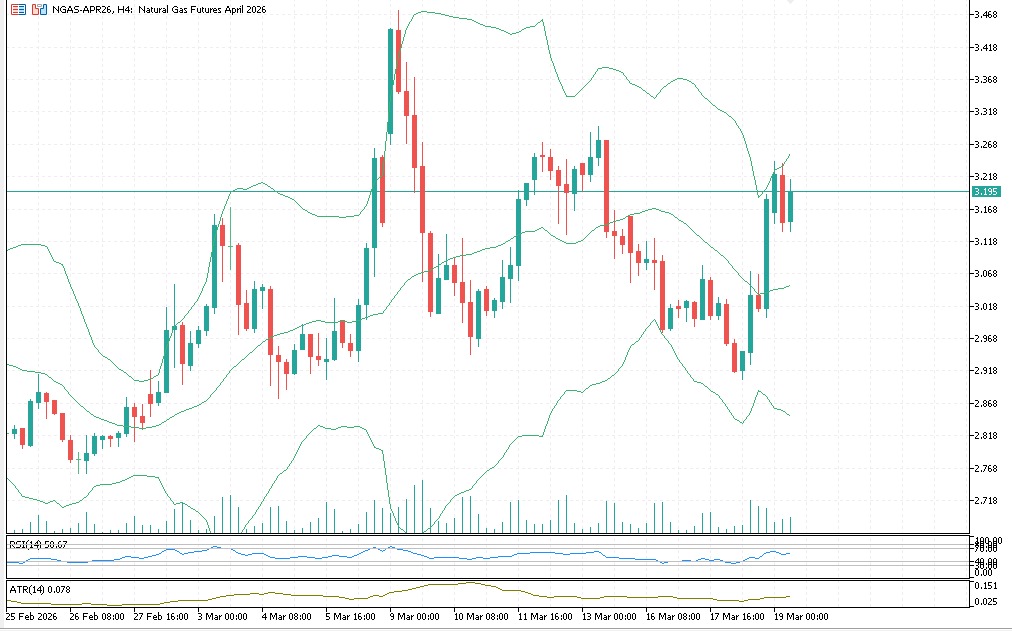
Qatar strongly condemned the attack, calling it a dangerous escalation that threatens global energy security, while the UAE emphasized the need to avoid targeting critical infrastructure. Reports suggest that Qatar has fully shut down its LNG production due to the conflict, putting nearly a fifth of global LNG supply at risk if disruptions persist. Evacuations have also begun at major facilities like Ras Laffan, highlighting the seriousness of the situation.
Meanwhile, the conflict is already impacting regional energy supply chains. Iran has halted gas exports to Iraq to prioritize domestic consumption, affecting a significant portion of Iraq’s energy needs. Analysts warn that continued attacks on energy infrastructure, including pipelines and export terminals, could prolong the conflict into the coming months and keep global energy markets under sustained pressure.