
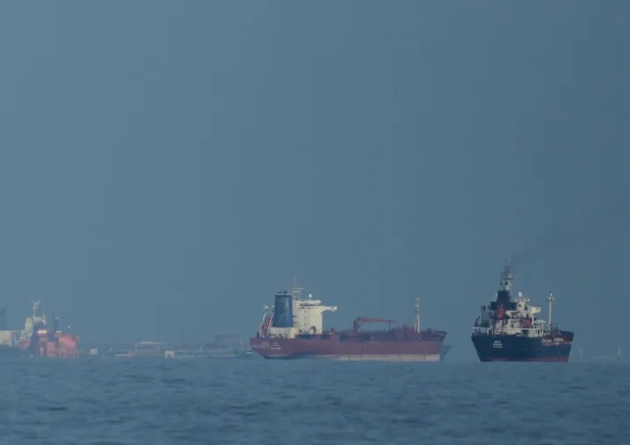
WTI crude futures surged toward the $100-per-barrel mark on Monday, recovering sharply from losses recorded last week as geopolitical tensions in the Middle East intensified once again. Markets reacted after President Donald Trump publicly rejected Iran’s latest response to a U.S.-backed proposal intended to end the 10-week regional conflict. In a post on Truth Social, Trump described Tehran’s position as “totally unacceptable,” signaling that diplomatic negotiations remain far from resolution and increasing fears of a prolonged disruption to global energy supplies.
According to reports, Iran had proposed transferring part of its highly enriched uranium stockpile to a third country while refusing to dismantle key elements of its nuclear infrastructure. The proposal reportedly failed to satisfy Washington, which has continued to push for stricter guarantees regarding Iran’s nuclear ambitions. The collapse of progress in negotiations has heightened uncertainty across financial and commodity markets, with investors increasingly concerned that tensions could escalate into broader regional instability affecting major oil-producing nations.
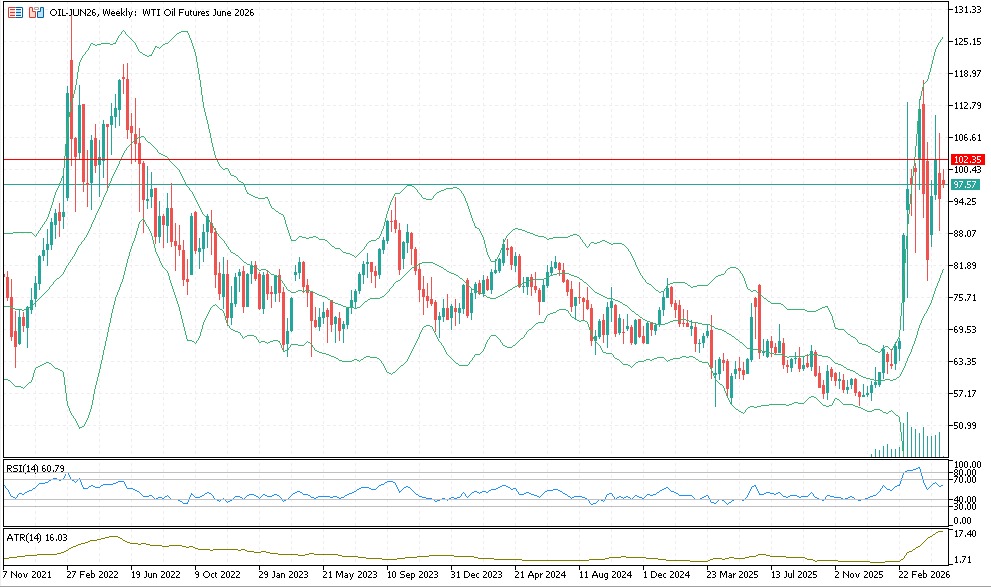
At the same time, security threats across the Persian Gulf have added to market anxiety. Drone attacks reportedly targeted a cargo vessel near Qatar, while both the UAE and Kuwait announced that they had intercepted hostile drones entering their airspace. These incidents have raised fears that the fragile ceasefire reached in early April may be nearing collapse. Analysts warn that any renewed military escalation in the Gulf region could further endanger shipping routes and energy infrastructure, especially as attacks become more frequent and coordinated.
The continued closure of the Strait of Hormuz has become the central driver behind the latest spike in oil prices. As one of the world’s most critical energy chokepoints, the strait handles a significant share of global crude oil, natural gas, and refined fuel exports. Its prolonged shutdown has severely disrupted international energy flows, tightening supplies and increasing transportation costs worldwide. The International Energy Agency described the situation as the largest supply shock on record, underscoring the growing risk of a global energy crisis if tensions in the region continue to worsen.