

Oil prices fell sharply in Asian trading on Monday, declining more than 6% as easing geopolitical tensions between the United States and Iran, combined with OPEC+’s decision to increase production, significantly improved the global supply outlook. The sharp selloff pushed crude prices to their lowest levels in nearly three weeks, reversing much of the geopolitical premium that had been built into the market during recent military escalations. West Texas Intermediate (WTI) crude futures dropped to around $79 per barrel after investors reacted positively to diplomatic developments between Washington and Tehran. The decline followed comments from US President Donald Trump, who announced that a planned large-scale military strike against Iran had been suspended after several Middle Eastern countries requested additional time for negotiations. Trump stated that discussions with Iranian officials would resume immediately, expressing optimism that diplomacy could help reduce regional tensions.
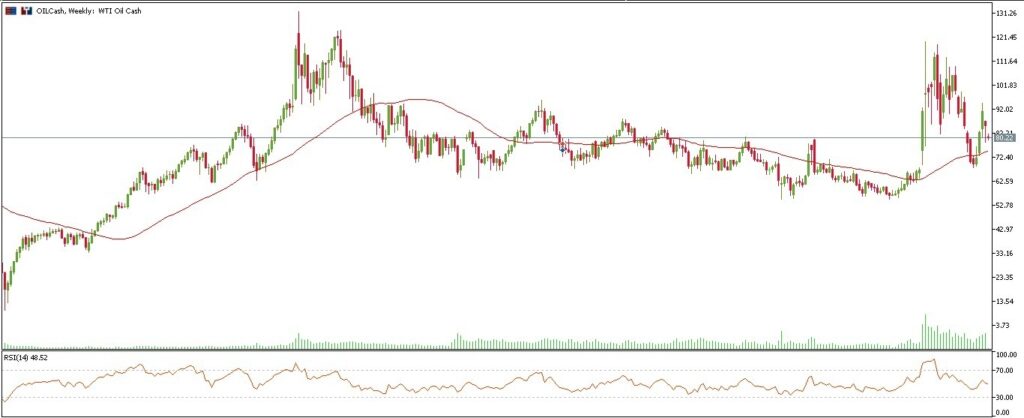
West Texas Intermediate (WTI) crude futures dropped to around $79 per barrel after investors reacted positively to diplomatic developments between Washington and Tehran. The decline followed comments from US President Donald Trump, who announced that a planned large-scale military strike against Iran had been suspended after several Middle Eastern countries requested additional time for negotiations. Trump stated that discussions with Iranian officials would resume immediately, expressing optimism that diplomacy could help reduce regional tensions. Investor sentiment improved after signs that both sides were willing to continue negotiations, reducing fears of an immediate disruption to global oil supplies. During the previous week, crude prices had surged after the conflict expanded beyond the Gulf region, with attacks targeting energy infrastructure and commercial shipping routes. Drone strikes on Saudi oil facilities, attacks on natural gas vessels near Egypt’s Damietta port, and security threats in both the Strait of Hormuz and the Red Sea had raised concerns about the safety of some of the world’s most important energy transit routes.
Although these developments temporarily pushed Brent crude above the $90 per barrel level, markets have since shifted their attention toward improving diplomatic efforts and the reduced likelihood of a prolonged regional conflict. Investors increasingly believe that energy exports from the Gulf are unlikely to face significant long-term disruptions if negotiations continue to progress. Adding further pressure on oil prices, OPEC+ announced that it would increase production quotas by approximately 188,000 barrels per day beginning in September, completing the gradual reversal of voluntary production cuts introduced in 2023. The decision signaled that the producer group remains confident in global demand conditions and expects geopolitical disruptions to have only a limited impact on overall supply. Fundamentally, the increase in OPEC+ production is expected to improve global crude availability during the second half of the year. Combined with expectations that Iranian oil exports could stabilize if diplomatic progress continues, the additional supply has strengthened bearish sentiment across energy markets and reduced concerns over a prolonged supply shortage.
Meanwhile, investors continue to monitor broader macroeconomic developments, including the outlook for US monetary policy. Federal Reserve officials have maintained that future interest rate decisions will remain data dependent, with inflation and labor market conditions guiding policy direction. Any signs of easing inflation or slower economic growth could improve expectations for lower borrowing costs, supporting future oil demand through stronger global economic activity. Looking ahead, market participants will closely monitor the progress of US-Iran negotiations, developments surrounding the Strait of Hormuz, and OPEC+ production levels for further direction. While diplomatic optimism and higher expected supply have weighed heavily on crude prices, the possibility of renewed geopolitical tensions means volatility is likely to remain elevated across global energy markets in the coming weeks.