
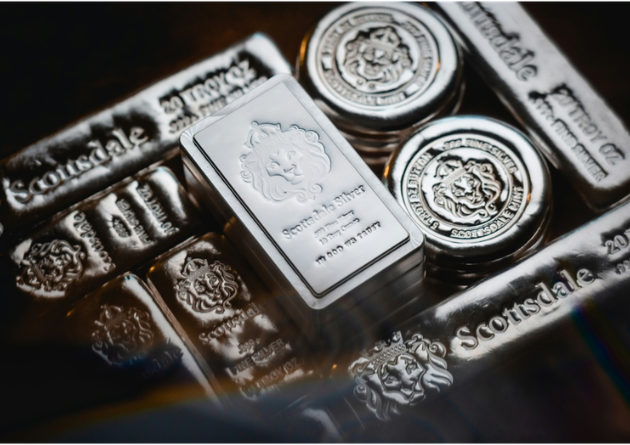
Silver (XAG/USD) extended its broader downward trajectory on Tuesday, reversing much of the strong recovery recorded in the previous session. The white metal fell sharply by around 3.2%, trading near $66.90 at the time of writing, as shifting geopolitical narratives in the Middle East weighed on investor sentiment. The decline reflects how quickly market optimism can fade when uncertainty resurfaces, particularly in an environment already sensitive to global political developments and macroeconomic expectations.
A key driver behind the renewed weakness was Iran’s firm denial of reports suggesting it was engaged in negotiations with the United States over resolving the ongoing conflict. Parliament Speaker Mohammad Bagher Ghalibaf clearly stated that no talks had taken place, directly contradicting earlier speculation. In addition, Iran’s Foreign Ministry reiterated that its stance on critical issues, including control and security of the Strait of Hormuz and the broader conditions required to end hostilities, remains unchanged. Officials also emphasized that Tehran has not responded to messages delivered through third-party countries regarding US requests for dialogue, signaling that diplomatic progress remains distant.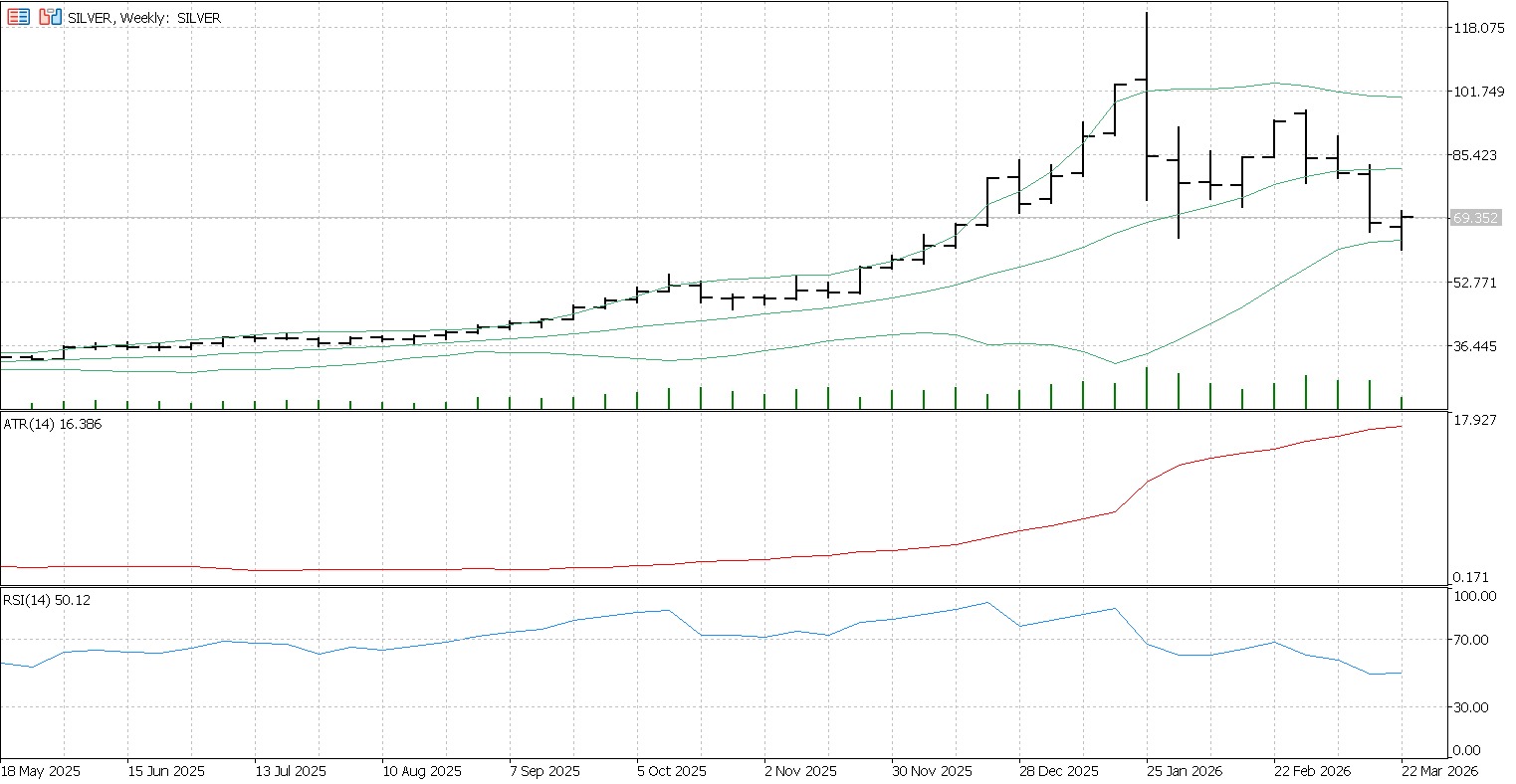
Earlier in the week, markets had reacted positively to comments from US President Donald Trump, who announced via social media that he had instructed the Department of War to temporarily halt planned military strikes on Iran’s power infrastructure for five days. He suggested that the US had held constructive and productive discussions with Tehran and expressed optimism about achieving a comprehensive resolution to the conflict. This announcement briefly improved risk sentiment and supported precious metals. However, Iran’s swift rejection of these claims quickly reversed that optimism, bringing uncertainty back into focus and pressuring silver prices lower.
Although geopolitical tensions typically enhance the safe-haven appeal of precious metals such as silver, the current environment has produced a different reaction. Surging energy prices linked to the Middle East conflict have fueled concerns about persistent inflation, reducing expectations that major global central banks will cut interest rates in the near term. A prolonged period of elevated interest rates tends to weigh on non-yielding assets like silver, as investors shift toward interest-bearing alternatives. At the same time, the US Dollar has strengthened on the back of heightened global uncertainty, further limiting silver’s upside. A stronger dollar makes silver more expensive for holders of other currencies, diminishing its attractiveness and reinforcing the current downward pressure on prices.