
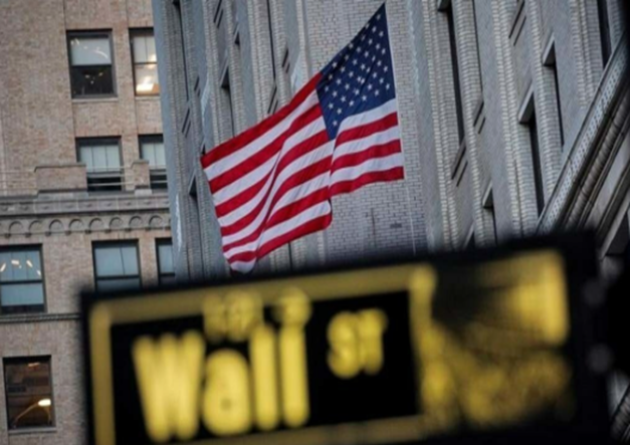
U.S. stock futures edged higher on Wednesday, while oil prices recovered slightly from earlier losses, as investors weighed increasing optimism over a potential de-escalation of the conflict involving Iran. Futures linked to the Dow Jones Industrial Average rose by 220 points, or 0.5%, while S&P 500 futures gained 31 points (0.5%) and Nasdaq 100 futures advanced by 152 points, or 0.6%. The upward movement follows a strong rally in the previous session, supported by growing expectations that the United States may soon scale back its military involvement in the region.
Investor sentiment was bolstered by reports, including a The Wall Street Journal article, indicating that Donald Trump is open to withdrawing from the conflict even if disruptions persist in the Strait of Hormuz. Trump also reiterated that diplomatic engagements with Iran are progressing positively, although officials in Tehran have expressed skepticism over these claims. Nonetheless, Iranian authorities confirmed that communication channels remain active, with the country signaling its willingness to end hostilities provided credible security guarantees are established.
In commodity markets, U.S. West Texas Intermediate crude futures declined by 1.2% to $100.16 per barrel, reflecting cautious optimism around supply stabilization. However, oil markets remain highly sensitive to developments surrounding the Strait of Hormuz, a critical maritime route along Iran’s southern coast through which approximately one-fifth of global oil supply passes. Ongoing threats to tanker traffic, including potential drone and missile attacks, have significantly curtailed shipments, heightening concerns over global energy security.
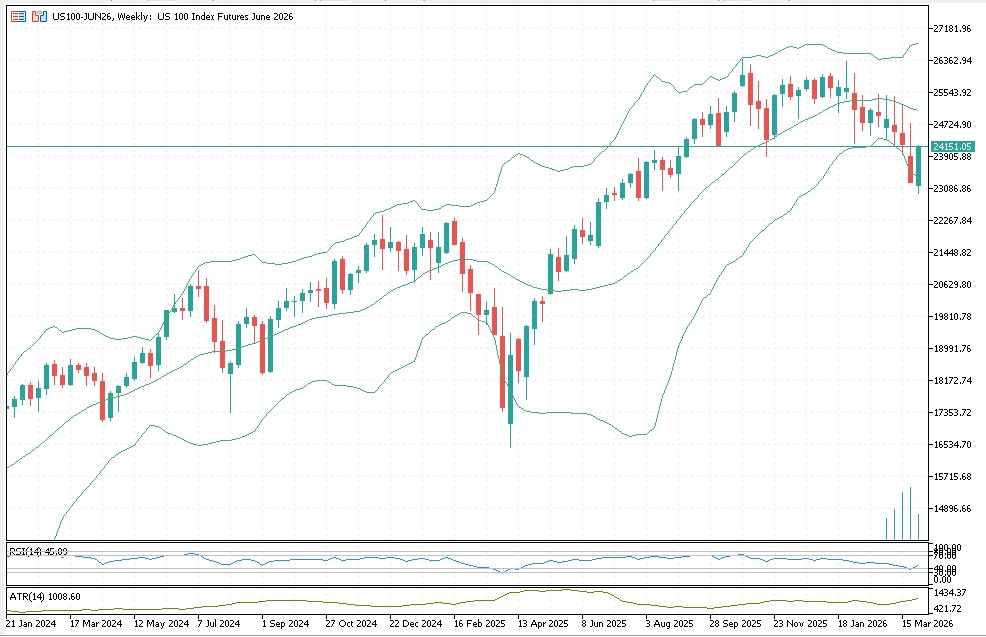
At the same time, fears of an energy-driven inflation shock continue to weigh on broader market sentiment. Rising oil prices in recent weeks have intensified expectations that central banks may need to maintain a tighter monetary stance, pushing government bond yields higher and creating headwinds for equity markets. These concerns have added a layer of caution to the otherwise improving risk appetite among investors.
Further influencing the outlook, Trump stated that the United States could be “leaving very soon,” claiming that Washington’s objective of neutralizing Iran’s nuclear capabilities has effectively been achieved. He suggested that a formal agreement may not be necessary to conclude the conflict, although uncertainty remains regarding the future of the Strait of Hormuz and the security of global shipping lanes. His remarks have introduced both optimism and ambiguity into market expectations.
Additionally, geopolitical tensions have been compounded by strains between the United States and its allies. Trump has voiced frustration over certain allied nations refusing to allow their military bases to be used for operations against Iran. In a recent interview, he also indicated that he is seriously considering withdrawing the U.S. from NATO, describing the alliance as ineffective. Such statements have raised broader concerns about the stability of longstanding geopolitical partnerships.
Looking ahead, market participants are expected to remain highly responsive to geopolitical developments and policy signals. While hopes of de-escalation have provided near-term support to equities, uncertainty surrounding energy markets, inflation trajectories, and global diplomatic relations continues to shape a cautious investment environment.